5 Reasons Winter Is The Best Time To Prune Oak Trees
Marketing Dept • December 3, 2025

5 Reasons Winter Is The Best Time To Prune Oak Trees


1) Trees Are Dormant


Q:  What does dormant season mean for my trees?


A: With no active growth happening, pruning during dormant season causes less stress and allows your tree to heal smoothly once spring arrives.


Tip: The dormant season in Illinois is typically considered November through March.


2) Prevents Oak Wilt Spread


Q: What is Oak Wilt?


A: Oak wilt is a deadly fungal disease that spreads through fresh pruning wounds. In winter, the beetles that carry it are inactive, making pruning safe.


Tip: Some of the first signs your tree has Oak Wilt include wilting and discoloration, rapid leaf drop, vertical cracks in bark, and white, gray or brown fungal mats on tree bark.


3) Better Visibility of Branches


Q: Is it safe to prune trees in Winter?


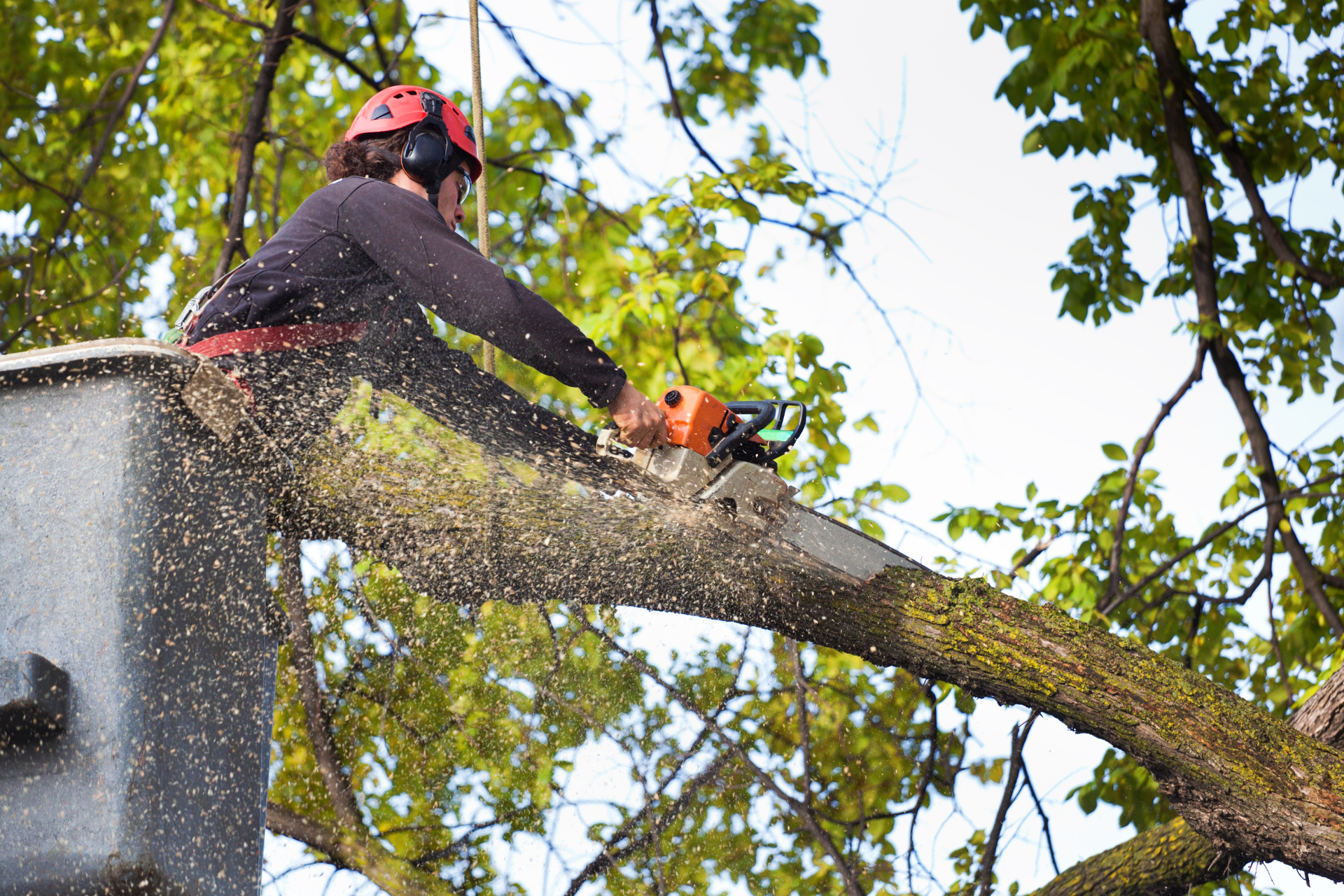
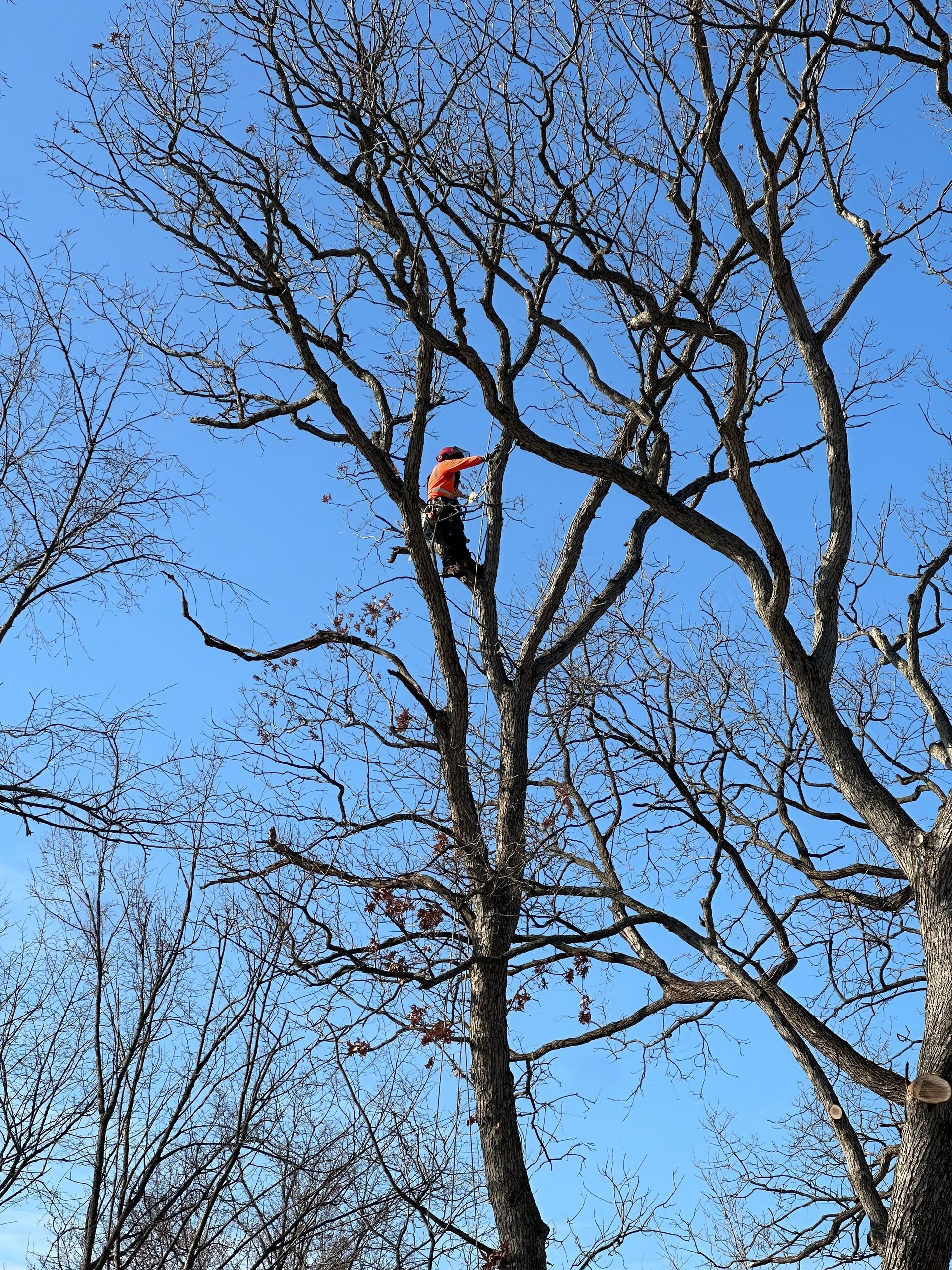
A: With leaves gone, arborists can clearly see the tree’s framework, making it easier to remove problem limbs and improve overall structure.


Tip: By pruning weak or dead limbs during winter the tree can channel its energy towards the healthy branches promoting increased growth in Spring.


4) Reduced Risk of Pests & Disease


Q:  Does pruning during Winter help reduce tree diseases?


A: Yes, most insects and pathogens are inactive during cold months, minimizing the chance of infections entering through pruning cuts.


Tip: Regular pruning helps reduce pest problems over time, lowering the need for costly treatments later.


5) Improved Winter Safety


Q: Should I prune my trees before a snow storm?


A: Yes, Winter pruning removes weak branches before storms hit helping protect your property, walkways, and prevents injuries.


Tip: Weak limbs often fail under winter weather leading to potential damage to your home, vehicle, roof, as well as power line issues, which is why it's so important to take care of any problem branches before a big storm hits.
By Marketing Dept December 29, 2025
1) Broken and Damaged Branches Q: What are signs my tree branches are weak or broken? A: Common signs of broken/weak tree branches include limbs that are hanging on by a thread, dead or dying limbs, lack of leaves during the growing season, discolored bark, deep cracks, or branches that can easily snap. Tip: Broken branches are one of the most common signs that your tree needs to pruned. They can often occur after heavy snowfall, rain, or strong winds. Deadwood or dead branches are also a strong indicator that your tree needs to be pruned. Deadwood can be caused by disease, storm damage and pests, as well as natural aging. Removing deadwood prevents limbs from falling onto your property. 2) Overgrown and Crossing Branches Q: What are the signs of overgrown and crossing branches? A: Branches that are overlapping, growing inward, growing into each other, or rubbing together could be overgrown and indicate time for pruning. Tip: If your branches are so dense that you cannot see through them, it's time for pruning. Overly dense branches can cause restricted sunlight, reduced airflow, and are more susceptible to storm damage. 3) Signs of Pest Infestation Q: How can I tell if my tree has a pest infestation? A: Common signs of pests include discolored and thinning leaves, stalled branch growth, tiny holes in bark, or peeling bark. Tip: Trimming your trees is one of the best ways to keep pests away! Trimming allows trees to absorb more sunlight and keep airflow. Since many tree pests thrive in damp, decaying wood, maintaining clean, well-pruned trees helps keep infestations at bay. 4) Visible Water Sprouts Q: What is a water sprout? A: Limbs that grow straight up into the air that are not like normal branches. They can grow several feet in one season and if left unchecked can weaken the canopy and create storm hazards. Tip: Water sprouts can be caused by a variety of factors including heavy rainfall, drought or over pruning. They are fast growing stems that pop up often and the best way to prevent them is by maintaining healthy trees. 5) Storm Damage Q: Should I trim my tree after a storm? A: Yes, after intense weather make sure to inspect your property for any damage and immediately address any concerns. Broken branches can often occur after heavy snowfall, rain or strong winds and in order to minimize property damage and prevent disease spread they need to be taken care of immediately. Tip: You can help prevent storm damage ahead of time by regularly pruning your trees. Removing dead or dying branches will significantly reduce storm damage risk before it occurs.
Tree Trimming vs Pruning
By Marketing Dept August 28, 2025
The difference between tree trimming and pruning is...
July 17, 2025
Why Tree Care Matters in Palatine, IL
July 17, 2025
Should I grind the stump or remove it completely?
By Gabriel Marquez July 17, 2025
How to Spot Dangerous Trees to Save Your Home From Tree Damage