Stump Grinding vs. Stump Removal: What’s Best for Your Yard?

July 17, 2025

Should I grind the stump or remove it completely?
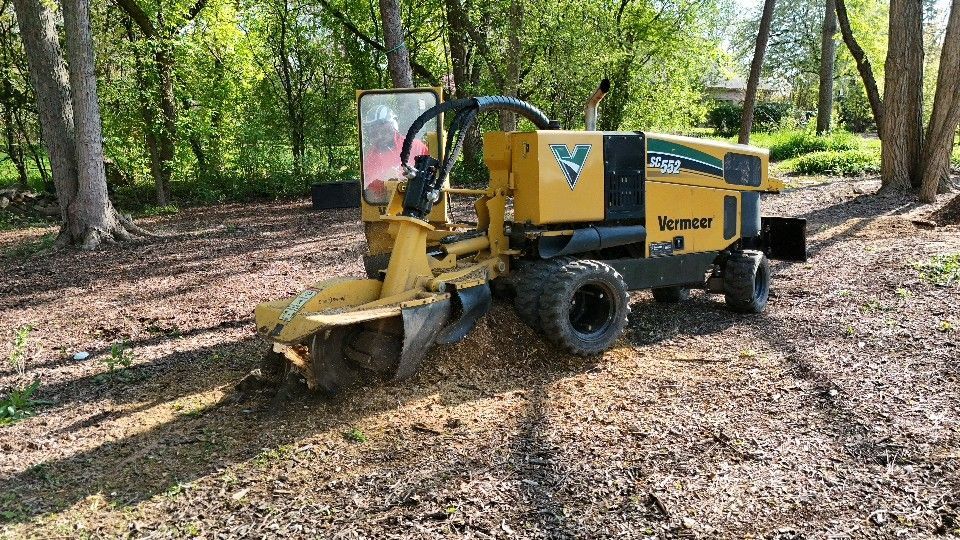
Both options have their advantages depending on your property goals, budget, and how soon you want to restore your landscaping. In this article, we break down the pros and cons of stump grinding vs. stump removal, so you can make the best decision for your yard.


What Is Stump Grinding?

Stump grinding is the process of using a specialized machine to grind the stump down below ground level—typically 4 to 12 inches deep. The roots remain in the ground, but the visible portion of the stump is turned into mulch, making the area level and ready for new landscaping.


Pros of Stump Grinding:

Faster and less invasive – Takes about 1–2 hours for most residential stumps


More affordable than full removal


Minimal disturbance to surrounding soil, lawn, and nearby plants


Leaves mulch behind for garden beds or backfilling the hole


Sufficient for most homeowners looking to plant grass or cover the space


Cons of Stump Grinding:

Roots remain underground and may take years to fully decay


Not ideal if you're planning to plant a tree in the exact spot


In rare cases, suckers or sprouts may grow from remaining roots


What Is Stump Removal?


Stump removal involves extracting the entire stump and root ball from the ground—often with heavy equipment like an excavator or by hand. This option is more aggressive but ensures every part of the tree is gone for good.


Pros of Stump Removal:

Completely eliminates the stump and roots


No chance of regrowth or root-related issues in the future


Leaves the area fully cleared for construction, replanting, or hardscaping


Cons of Stump Removal :

More labor-intensive and time-consuming


Significantly more expensive than grinding


May require larger equipment that can impact nearby landscaping


Leaves a larger hole that needs to be backfilled


So, Which Is Best for You?

Here’s how to decide between stump grinding and stump removal:


Situation Best Option

You want to replant grass or install a garden Stump Grinding

You’re building a patio, driveway, or structure Stump Removal

You’re on a budget or need quick results Stump Grinding

You’ve had issues with root regrowth or pests Stump Removal

You’re planning to replant a new tree in the same spot Stump Removal


Gabriel’s Trees Can Help You Decide

At Gabriel’s Trees, we offer both stump grinding and full stump removal services throughout the northwest Chicago suburbs. Not sure which is right for your property? Our team will inspect the site, discuss your future landscaping plans, and recommend the most practical and cost-effective solution.


Ready to Reclaim Your Yard?

Call Gabriel’s Trees today or fill out our quick online estimate form to schedule your stump service. Whether you choose to grind or remove, we’ll leave your yard cleaner, safer, and ready for whatever’s next.
By Marketing Dept December 29, 2025
1) Broken and Damaged Branches Q: What are signs my tree branches are weak or broken? A: Common signs of broken/weak tree branches include limbs that are hanging on by a thread, dead or dying limbs, lack of leaves during the growing season, discolored bark, deep cracks, or branches that can easily snap. Tip: Broken branches are one of the most common signs that your tree needs to pruned. They can often occur after heavy snowfall, rain, or strong winds. Deadwood or dead branches are also a strong indicator that your tree needs to be pruned. Deadwood can be caused by disease, storm damage and pests, as well as natural aging. Removing deadwood prevents limbs from falling onto your property. 2) Overgrown and Crossing Branches Q: What are the signs of overgrown and crossing branches? A: Branches that are overlapping, growing inward, growing into each other, or rubbing together could be overgrown and indicate time for pruning. Tip: If your branches are so dense that you cannot see through them, it's time for pruning. Overly dense branches can cause restricted sunlight, reduced airflow, and are more susceptible to storm damage. 3) Signs of Pest Infestation Q: How can I tell if my tree has a pest infestation? A: Common signs of pests include discolored and thinning leaves, stalled branch growth, tiny holes in bark, or peeling bark. Tip: Trimming your trees is one of the best ways to keep pests away! Trimming allows trees to absorb more sunlight and keep airflow. Since many tree pests thrive in damp, decaying wood, maintaining clean, well-pruned trees helps keep infestations at bay. 4) Visible Water Sprouts Q: What is a water sprout? A: Limbs that grow straight up into the air that are not like normal branches. They can grow several feet in one season and if left unchecked can weaken the canopy and create storm hazards. Tip: Water sprouts can be caused by a variety of factors including heavy rainfall, drought or over pruning. They are fast growing stems that pop up often and the best way to prevent them is by maintaining healthy trees. 5) Storm Damage Q: Should I trim my tree after a storm? A: Yes, after intense weather make sure to inspect your property for any damage and immediately address any concerns. Broken branches can often occur after heavy snowfall, rain or strong winds and in order to minimize property damage and prevent disease spread they need to be taken care of immediately. Tip: You can help prevent storm damage ahead of time by regularly pruning your trees. Removing dead or dying branches will significantly reduce storm damage risk before it occurs.
By Marketing Dept December 3, 2025
5 Reasons Winter Is The Best Time To Prune Oak Trees
Tree Trimming vs Pruning
By Marketing Dept August 28, 2025
The difference between tree trimming and pruning is...
July 17, 2025
Why Tree Care Matters in Palatine, IL
By Gabriel Marquez July 17, 2025
How to Spot Dangerous Trees to Save Your Home From Tree Damage