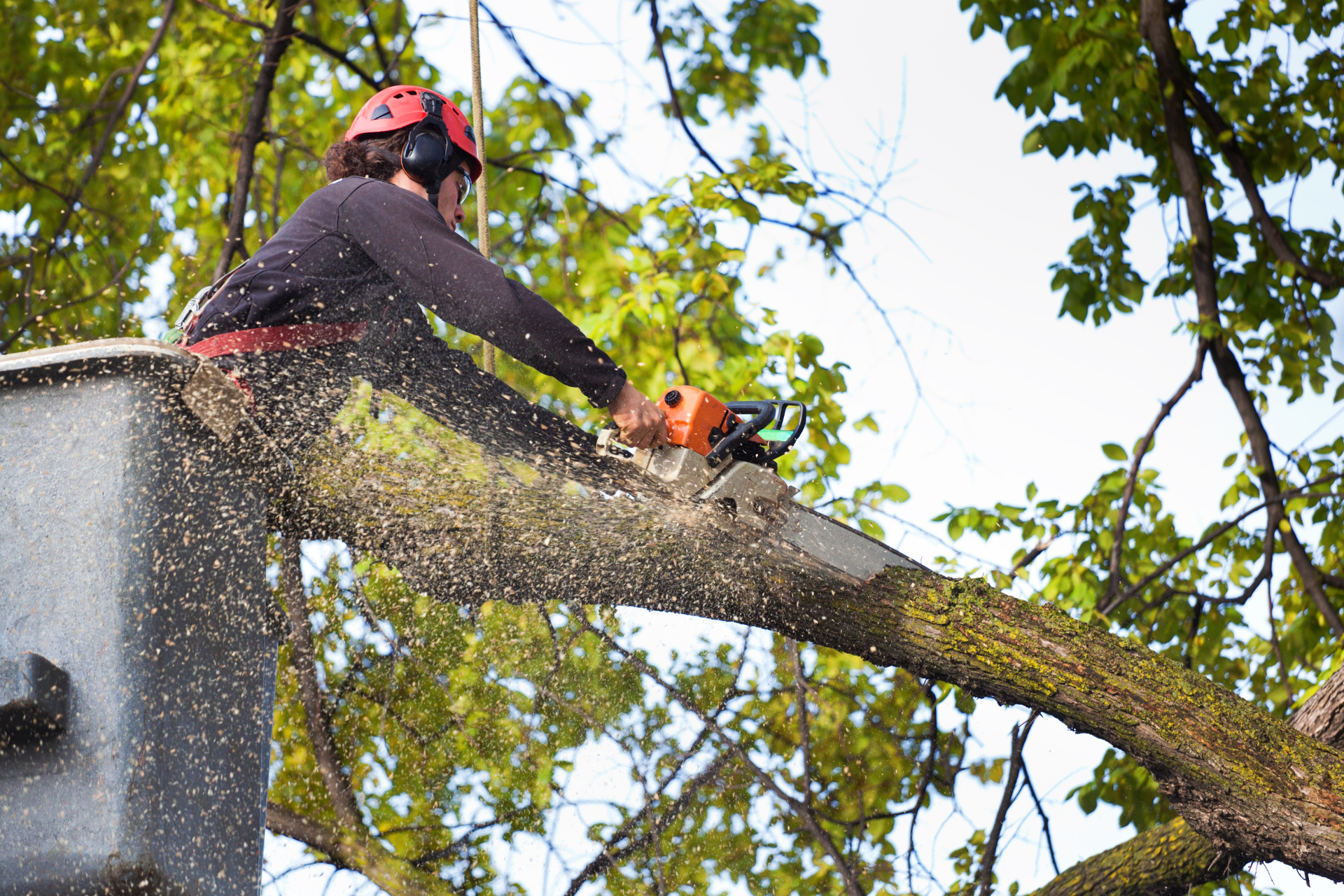
Tree Trimming Vs Pruning
Everything You Need to Know About the Difference Between Tree Trimming and Pruning for Palatine and Chicagoland Homeowners
If you’ve ever wondered whether your trees need trimmingorpruning, you’re not alone. Many homeowners use the words interchangeably, but they serve different purposes — and both are critical for keeping your trees safe and healthy.
At Gabriel’s Tree Care Company Inc., we often explain trimming vs. pruning like this:
- Tree trimming: shaping for looks, size, and clearance. Needed once per year and requires less complex work.
- Tree pruning: targeted cuts for health, safety, and disease prevention. Needed every few years and requires more complicated work on your property.
In this blog, we’ll break down the difference, explain how often each is needed, and give specific recommendations for common Palatine tree species.
Why Tree Trimming Matters
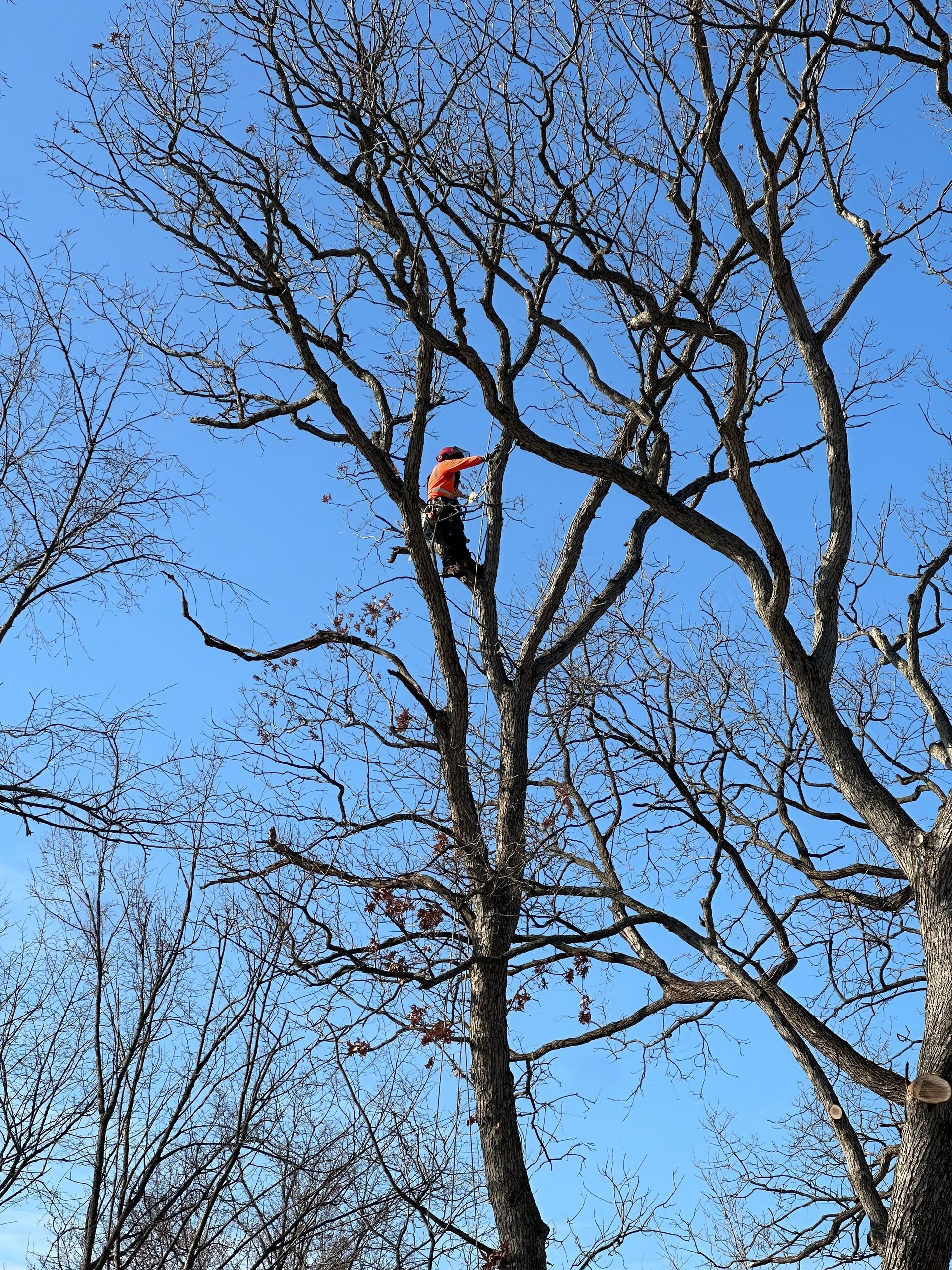
Tree trimming is all about appearance and control. It’s the process of cutting back overgrown branches to:
- Maintain a clean, polished look.
- Prevent branches from encroaching on roofs, power lines, or driveways.
- Allow more sunlight and airflow through the canopy.
How Often Should You Trim?
- Seasonally: (spring through fall): Smaller maintenance trimming can be done
a few times per year.
- Annually: Most Palatine homeowners benefit from
tree trimming once per year to maintain shape and control growth.
Why Tree Pruning Matters
Pruning goes deeper than trimming, it’s focused on the health and safety of your tree. Pruning removes:
- Diseased or pest-infested branches.
- Weak or cracked limbs that may fall during storms.
- Deadwood that saps nutrients from healthy growth.
How Often Should You Prune?
- Every 2–4 years, depending on species and age.
- More frequent pruning may be needed for trees showing disease, storm damage, or excessive growth.
Tree Types in Palatine: Trimming & Pruning Guidelines
Palatine’s suburban canopy features a mix of native and landscape trees. Here’s how often common species typically need attention:
- Maple Trees (Sugar, Red, Silver):
- Trimming: Annually in spring/fall to control spread.
- Pruning: Every 2–3 years to remove deadwood.
- Oak Trees (White, Red, Bur):
- Trimming: Light shaping as needed, usually every 1–2 years.
- Pruning: Every 3–5 years, only in dormant season to prevent oak wilt.
- Ash Trees (though many were lost to Emerald Ash Borer):
- Trimming: Annually if still present to prevent weak growth.
- Pruning: As needed — usually every 2–3 years.
- Evergreens (Spruce, Pine, Fir):
- Trimming: Light shaping annually in spring.
- Pruning: Rarely needed unless diseased or damaged.
- Ornamentals (Crabapple, Serviceberry, Dogwood):
- Trimming: Annually after bloom to maintain shape.
- Pruning: Every 2–3 years to encourage healthy flowering.
Seasonal Considerations for Palatine, IL and Chicagoland
- Spring through Fall: Best time for light trimming, shaping, and canopy control.
- Winter (Dormant Season): Ideal time for heavy pruning, especially for oaks and maples.
- Storm Prep: Before summer storms, check for weak or overhanging branches.
When to Call a Certified Arborist
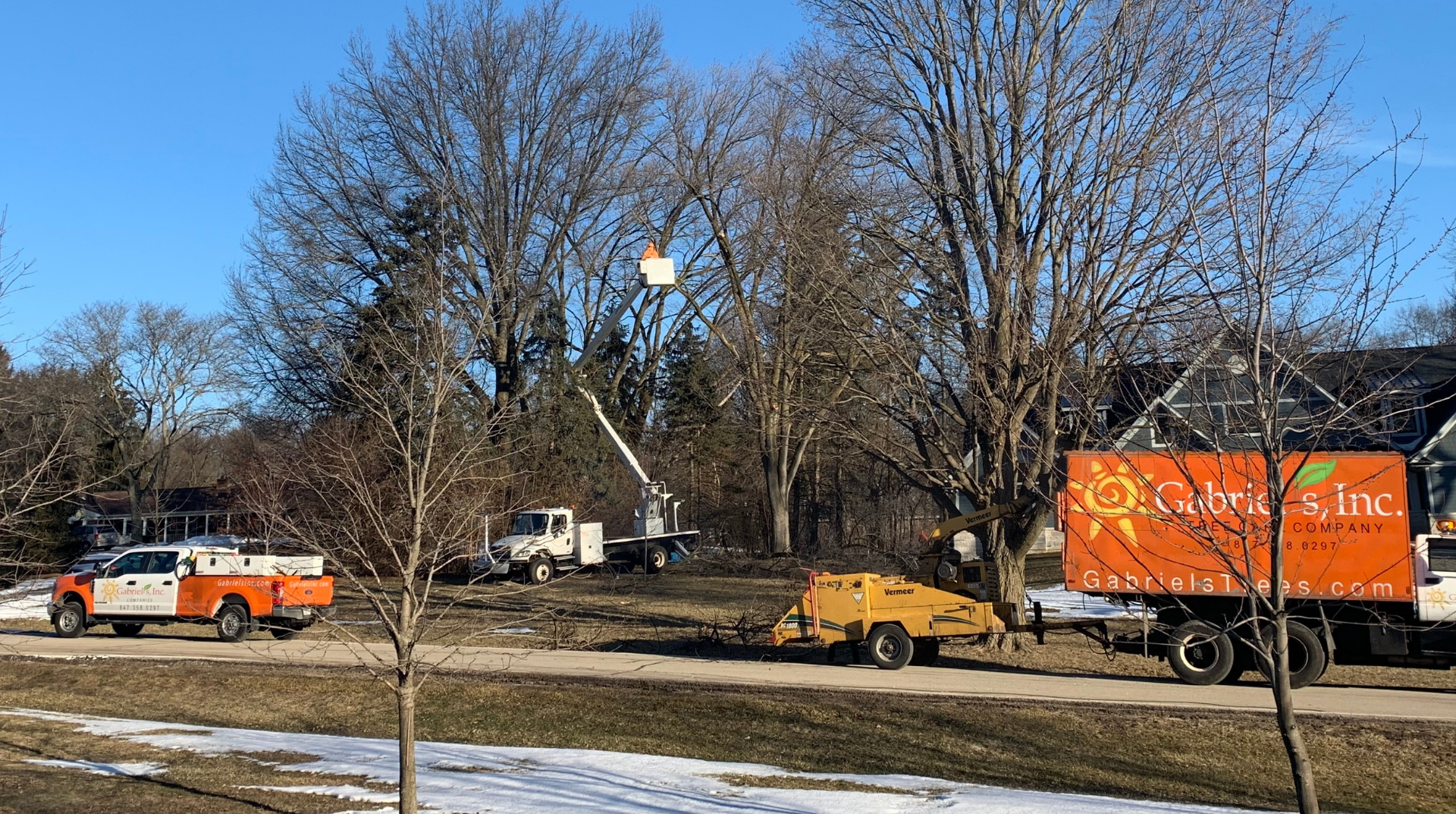
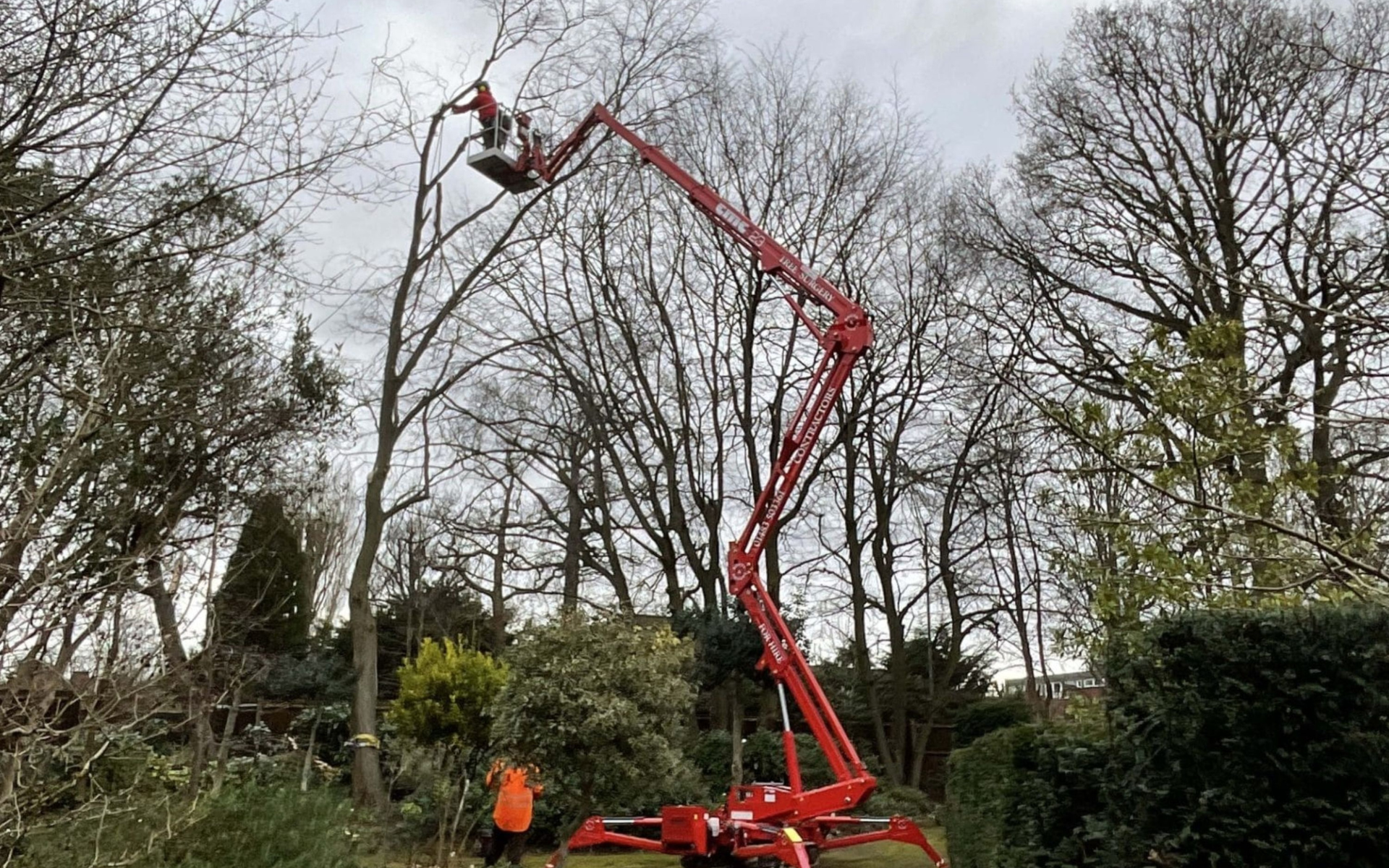
While light trimming can sometimes be DIY, for more advanced trimming or if you are worried about the health of your trees and or harming your trees we suggest calling an arborist! Professional pruning should be left to certified arborists. At Gabriel’s Trees, we:
- Safely remove hazardous branches.
- Diagnose disease or pest issues.
- Shape trees to grow stronger and healthier.
Protect your property and landscaping during the process.
Call Gabriel's Trees for Tree Pruning and Trimming in Palatine, IL and the Surrounding Areas!
Call us today for a
free tree trimming and pruning estimate in Palatine, IL and keep your trees healthy, safe, and beautiful year-round.